

MONDAY, 11.11.2026 /Khovar National Information Agency/. History sometimes puts nations in front of tests, the results of which determine not only the fate of one generation, but the future of many generations to come. In such moments, political will, national wisdom, civic responsibility and choosing the right historical path become crucial. For the Tajik nation, one of such fateful moments was in November 1992, when the XVI session of the Supreme Council of the Republic of Tajikistan was held in extremely sensitive political and social conditions.
- This session occupies a special place in the recent history of Tajik statehood as an important political event and the beginning of a new stage of national statehood revival.
November 16 is celebrated as the Day of the President of the Republic of Tajikistan. It is necessary to look at the essence of this date, its historical background and the role of the XVI Session in the formation of independent statehood. Because the true understanding of the value of this day is impossible without studying the conditions that Tajikistan faced at the beginning of the nineties of the last century.
State independence and the first problem of national statehood
 1991 was the beginning of a new historical period for the Tajik people. On September 9 of the same year, the Republic of Tajikistan declared its independence and gained the opportunity to independently determine the path of political, economic and social development. But the independence was achieved in the conditions when the society was facing many political and economic problems. The disintegration of the Soviet Union, changes in the political and economic system, the weakening of management structures and the intensification of internal conflicts created serious problems for the young Tajik state.
Unfortunately, political and social conflicts led to armed resistance and civil war in 1992. Tajikistan was plunged into deep political, economic and social crisis. The activity of many state structures was disrupted, the national economy went into decline, relations between regions were damaged, and a large number of citizens were forced to leave their homes. The society needed peace and stability, protection of independence and leadership capable of restoring the structure of statehood.
In such a complex situation, the issue of holding the next session of the Supreme Council of the Republic of Tajikistan became extremely important. Finally, on November 16, 1992, the XVI session of the Supreme Council of the Republic of Tajikistan began in the Arbobi Palace of Khujand. The session continued until December 2 and became one of the most important political events of the independence era.
Arbob Palace is a place of making fateful decisions
In those days, Arbob Palace became the center of decision-making that was of great importance for the future of Tajikistan. People's deputies gathered in conditions where the main issue was not only the creation of new governing bodies, but the protection of state independence, the prevention of the disintegration of the country, the restoration of constitutional authority, and the creation of a foundation for peace and stability.
The session continued for 17 calendar days, during which important issues of political, economic and social life of the country were discussed. As a result of its work, 74 legal documents, including 15 laws, 52 decisions, 6 orders and one statement were adopted. These figures indicate the volume and importance of the activity of the session. Because in the conditions where the system of statehood was faced with serious problems, the adoption of such a number of acts was considered an important step to restore the legal and organizational foundations of statehood.
In this historic session, the issues of strengthening state power, restoring the activity of administrative bodies, ensuring the country's security, protecting territorial integrity and regulating internal relations were discussed. Also, the approval of the Flag and the State Emblem of the Republic of Tajikistan is one of the important actions of the session. These state symbols represent the sovereignty, national identity, history, culture and unity of the Tajik people.
The election of a new leadership is the beginning of a new political phase
One of the central and fateful issues of the session was the election of a new head of state. On November 19, 1992, Honorable Emomali Rahmon was elected the Chairman of the Supreme Council of the Republic of Tajikistan by secret ballot. According to historical information, 186 of the 197 deputies who participated in the voting voted in favor of the candidacy of Emomali Rahmon. This figure was about 94.4 percent of the voting participants.
The election of a new head of state in those sensitive conditions brought a great political and historical responsibility. Tajikistan needed a person who could restore the activity of state bodies in the conditions of unrest and create a basis for ending the war and achieving national consensus. From this point of view, this choice can be considered as one of the turning points in the recent history of Tajik statehood.
"I bring you peace!" - the voice of hope in the fateful days
the Leader of the Nation, Emomali Rahmon, in his first speeches focused on the issue of ensuring peace and tranquility, returning refugees and restoring the peaceful life of the people. The historical phrase "I bring you peace!" - in those fateful days, it was a voice of hope and confidence in the peaceful future of the country.
These words were not just a political statement, but an expression of great responsibility towards the nation and the state and the fate of millions of citizens. Because in those days, peace was not only a dream for the people of Tajikistan, but a vital necessity. People were waiting for the gunshots to stop, the separated families to be reunited and normal life to be restored.
It should be said that the importance of the XVI Session, first of all, was manifested in the fact that it contributed to the formation of the political, legal and organizational foundations of independent statehood. During the session, the issues of restoring the activity of state bodies, strengthening the power structure, ensuring the country's security, protecting territorial integrity and regulating internal relations were discussed.
At the same time, social issues, including the situation of refugees and forced migrants, were in the center of attention of the session. Adoption of the Law of the Republic of Tajikistan "On Refugees" dated November 24, 1992 created a legal basis for determining the legal status of refugees and protecting their rights and interests. This document was adopted in the conditions where thousands of families were left away from their homes and were facing problems of social security, security and returning to their places of residence.
From resistance to national consensus - the historical path to achieving peace
It should be emphasized that the XVI Session was not limited to the adoption of legal documents or the election of a new leadership. Its main importance was to make the issue of national peace and harmony the main direction of the state's future policy. Of course, achieving peace was not an easy task. It required long negotiations, political concessions, the will of the parties and many domestic and international efforts.
The process of negotiations between the Tajiks continued for several years, and finally, on June 27, 1997, the General Agreement on the establishment of peace and national harmony in Tajikistan was signed in Moscow. This document became an important step in ending the civil war and starting the process of national reconciliation. In this process, the role of the state leadership, representatives of the Tajik opposition, international mediators, guarantor countries and all peace-loving sections of the society was important.
Therefore, the peace experience of Tajiks is of international importance today. It shows that even deep political differences can be resolved through dialogue, negotiation and respect for national interests. Peace is not the result of an isolated event, but the achievement of consistent efforts, mutual understanding and shared responsibility of society.
November 16 is the connection of two important historical events
One important point should be mentioned that November 16 represents another important event in the history of modern statehood of Tajikistan. If November 16, 1992 was the beginning of the XVI Session, then on November 16, 1994, Honorable Emomali Rahmon was sworn in as the President of the Republic of Tajikistan after the adoption of the new Constitution of the Republic of Tajikistan and the holding of presidential elections.
On November 6, 1994, a national referendum was held in Tajikistan on the adoption of the new Constitution of the Republic of Tajikistan and presidential elections. The swearing-in of the President of the Republic of Tajikistan on November 16 of the same year marked a new stage in the formation of the presidential system of governance. Thus, this date has a direct connection with two important historical events.
Later, with the adoption of the Law of the Republic of Tajikistan on May 14, 2016, amendments were made to the Law of the Republic of Tajikistan "On Holidays" and November 16 was established as the Day of the President of the Republic of Tajikistan. This decision gave this date an official holiday status and further clarified its historical importance in the state calendar.
President's Day is a symbol of respect for statehood and national responsibility
The importance of the President's Day can be assessed in several ways. First of all, it expresses respect for the constitutional institution of the presidency and the state system of the Republic of Tajikistan. Second, this date provides an opportunity to analyze the country's path from the first days of state independence to the current stage of statehood. Thirdly, it is educationally important for the education of the young generation in the spirit of national self-awareness, patriotism, respect for state values and responsibility.
This day is also a good opportunity to review the achievements, learn the lessons of history and determine the future tasks of the society. Because respect for statehood is not limited to the celebration of historical dates, but is embodied in the honest performance of civic duties, compliance with the law, constructive work and contribution to the progress of the country.
At the same time, the President's Day should be used as an opportunity to think about the current tasks of the state and society. Because the stability of statehood is not limited to the protection of political independence. The development of the national economy, industrialization, business support, advancement of science and education, ensuring the quality of products and services, protecting the rights of consumers and improving people's living standards are also important components of strengthening real independence.
"the Founder of Peace and National Unity - the Leader of the Nation" - recognition of historical services
It should be noted that on December 11, 1999, Honorable Emomali Rahmon was awarded the title of "Hero of Tajikistan" by the decision of the Majlisi Oli of the Republic of Tajikistan. Then, taking into account the historical services in the way of establishing peace, strengthening national unity and independent statehood, on December 25, 2015, the Law of the Republic of Tajikistan "On the Founder of National Peace and Unity - Leader of the Nation" was adopted. In 2016, the legal status of this title was established by the Constitutional Law.
This historical title in the legislative system of the country is connected with the services of Honorable Emomali Rahmon in the process of state building, restoration of the constitutional structure and achieving national peace and unity. At the same time, it emphasizes the importance of peace and unity in the life of society and the responsibility of present and future generations to protect and strengthen the achievements of independence.
Independence, peace and national unity - guarantor of the future of Tajikistan
In the end, it can be said that the XVI session of the Supreme Council of the Republic of Tajikistan was held in one of the most sensitive historical moments and played an important role in determining the future direction of national statehood. It created conditions for the formation of a new political leadership, the restoration of the activities of state institutions, the strengthening of the legal framework and the beginning of a new stage of the process of national peace and reconciliation.
Today, after more than three decades, the historical importance of that session can be assessed considering the results and experience of independent statehood. Its main lesson for today's and tomorrow's generations is that independence is a great gift, peace is an invaluable asset, and national unity is an important factor in the stability of the state.
November 16 is not just a calendar date. This day invites us to remember history, respect for statehood and responsibility for the future of the Motherland. The XVI session will remain as a fateful session in the pages of the history of the Tajik nation, because in the fateful historical conditions, it laid the foundation for the continuation of statehood, protection of independence and the beginning of a new stage of the political and public life of Tajikistan.
The greatness of a nation is embodied not only in its proud history, but also in its ability to protect achievements, strengthen unity and build a worthy future.
Islamuddin Rahman,
Director of "Tojikstandard" Agency
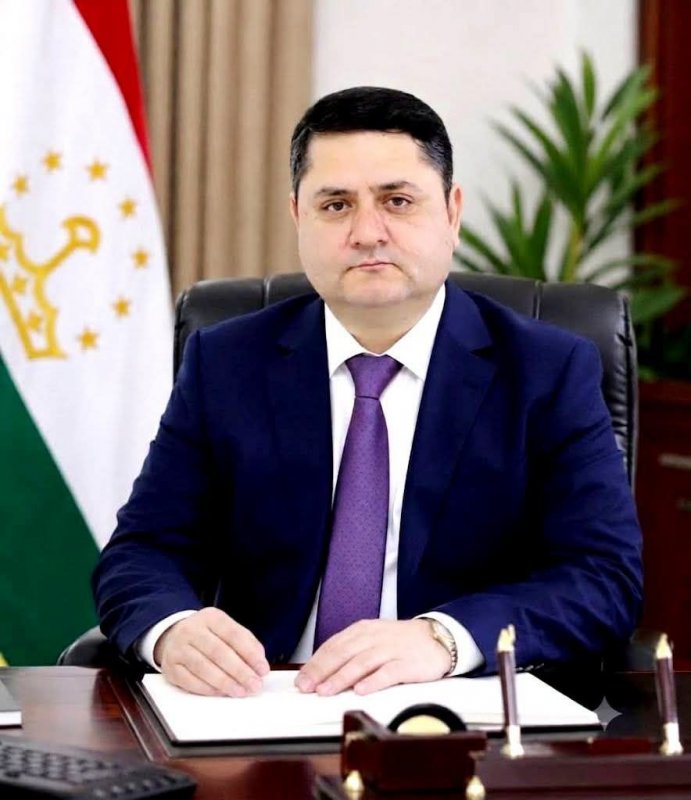
Photo from other sources
Translated automatically from Tajik.
Source: Khovar News Agency · khovar.tj


